Summer weather creates several challenges for rooftop maintenance, inspections, and equipment servicing. High temperatures can make roofing surfaces uncomfortable to traverse, while humidity, rain, and morning condensation can create slippery conditions that increase the potential for workplace accidents. Commercial rooftops often contain HVAC equipment, piping systems, conduit runs, solar installations, and other assets that require regular access by maintenance personnel. As rooftop traffic increases during the summer construction and maintenance season, facility managers must consider how workers will safely navigate these environments. Rooftop walkway systems provide designated pathways that help address these concerns by creating stable walking surfaces above or directly on the roof. This article examines how rooftop walkway systems support worker safety, improve operational efficiency, protect roofing systems, and provide long-term value for building owners.
Why Rooftop Walkway Systems Are Important for Summer Roof Work
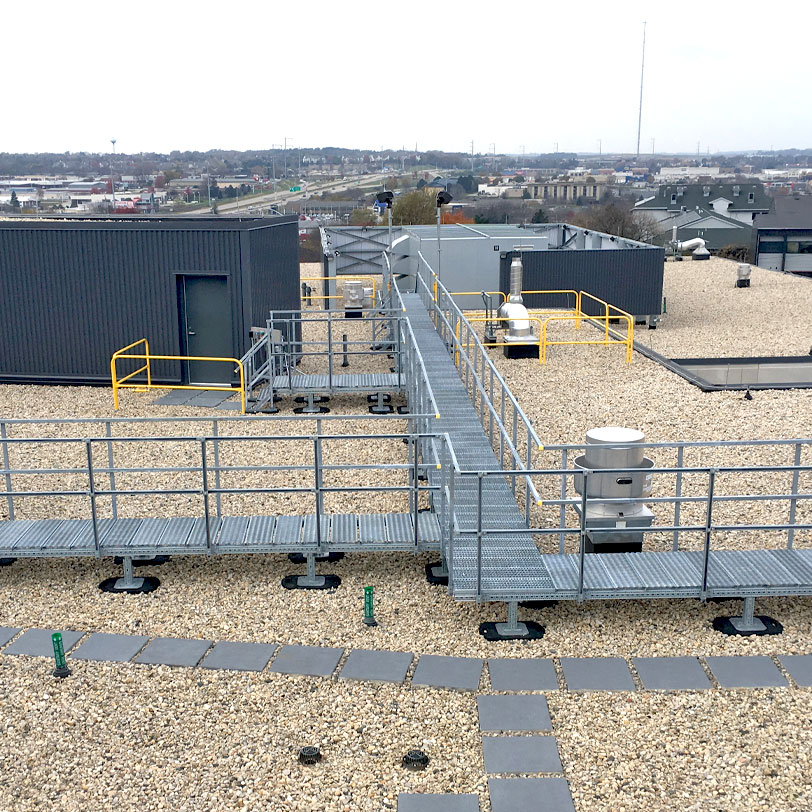
Summer conditions can significantly affect rooftop working environments. Dark roofing membranes absorb solar radiation throughout the day, causing roof surface temperatures to rise well above ambient air temperatures. In addition to the temperature and weather related issues mentioned above, workers moving between equipment locations may also encounter debris carried by wind and weather, or other rooftop obstacles. These conditions increase the likelihood of slips, trips, and missteps, particularly when technicians are carrying tools, replacement parts, or testing equipment. Areas surrounding HVAC units, exhaust systems, and rooftop mechanical equipment often experience frequent foot traffic, making consistent access routes especially important. Without designated pathways, workers may take indirect routes that expose them to additional hazards and increase wear on the roof surface.
Rooftop walkway systems establish clearly defined travel paths between equipment, access points, and service areas. By providing a stable and consistent walking surface, these systems help reduce uncertainty when moving across the roof. Maintenance personnel can focus on inspections, repairs, and service work rather than constantly evaluating footing conditions. Defined pathways also improve site organization by directing foot traffic to predetermined routes. This approach can support more efficient maintenance operations while reducing unnecessary movement across sensitive roofing areas. During busy summer maintenance schedules, having established rooftop access routes can help crews complete tasks more effectively and with greater consistency.
Key Materials Used in Rooftop Walkway Systems
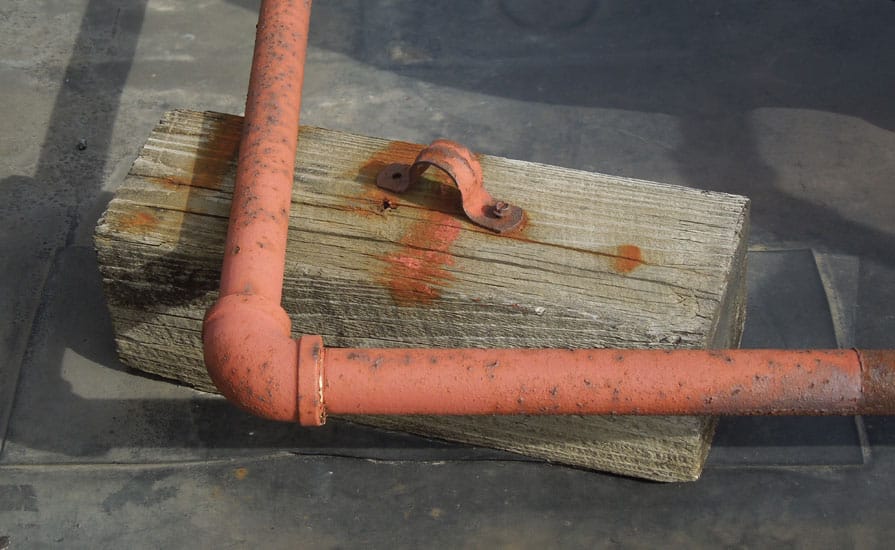
Several materials are used in rooftop walkway systems, including textured rubber pads, aluminum grating, and fiberglass-reinforced plastic. Rubber walkway pads are commonly used because they are lightweight and relatively easy to install directly on the roof membrane. These systems can provide additional traction compared to the exposed roofing surface, but because they rest directly on the roof, water can become trapped beneath them and remain in contact with the membrane. Dirt, leaves, and other debris can also accumulate on top of the pads, creating maintenance concerns and reducing traction over time. Their dark color causes them to absorb and retain heat during summer months, which can make rooftop travel less comfortable for maintenance personnel. While rubber pads are suitable for some applications, their limitations become more noticeable on roofs with frequent foot traffic or challenging drainage conditions.
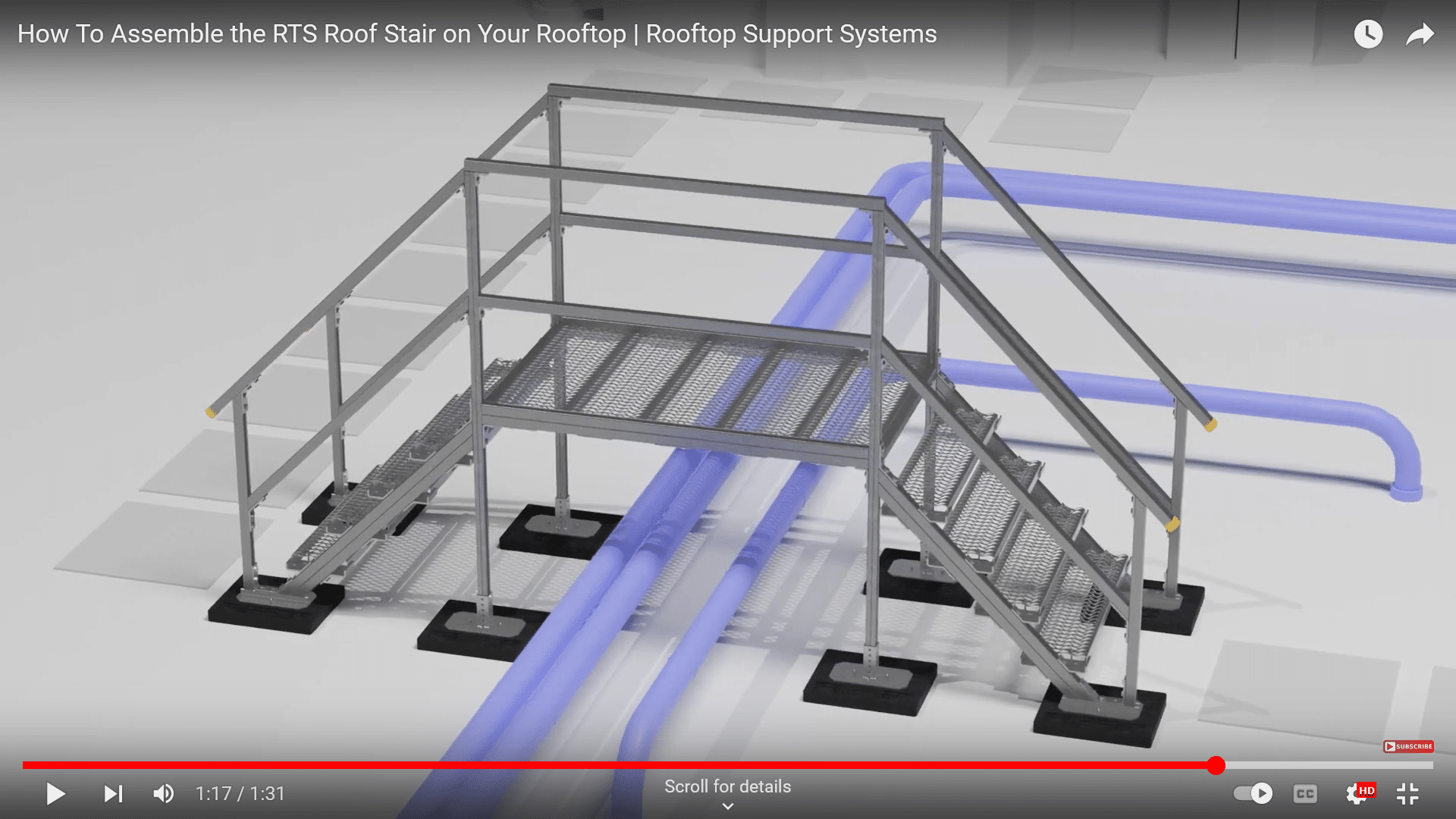
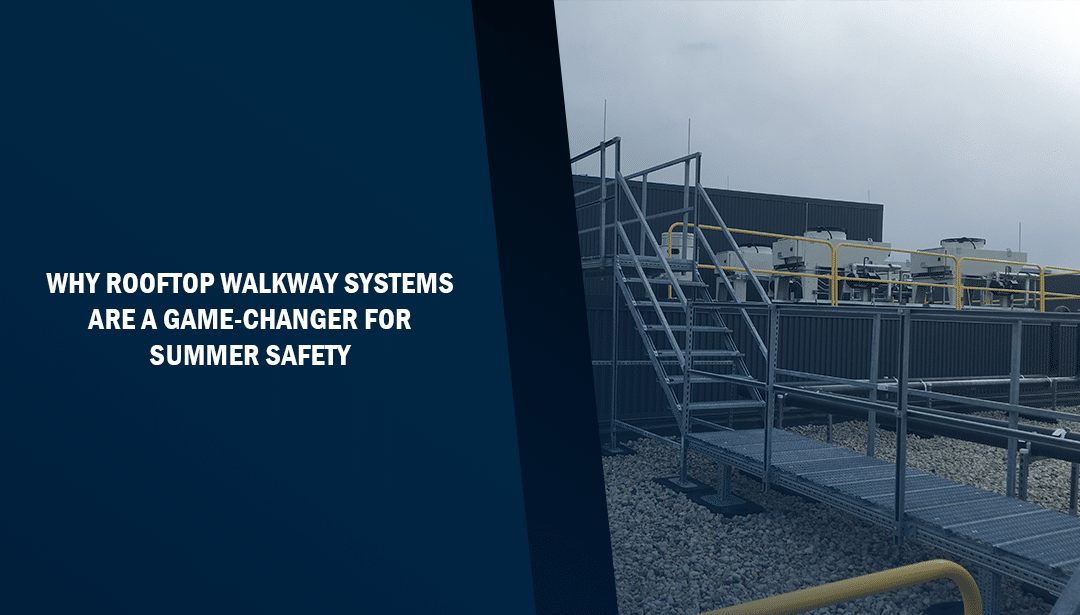
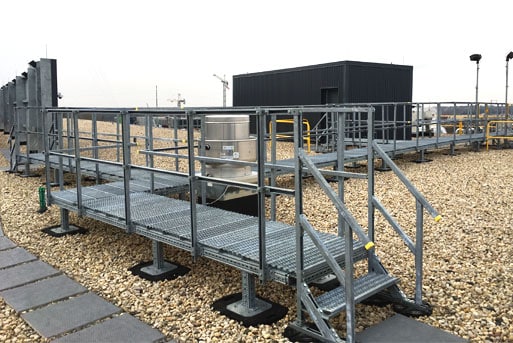
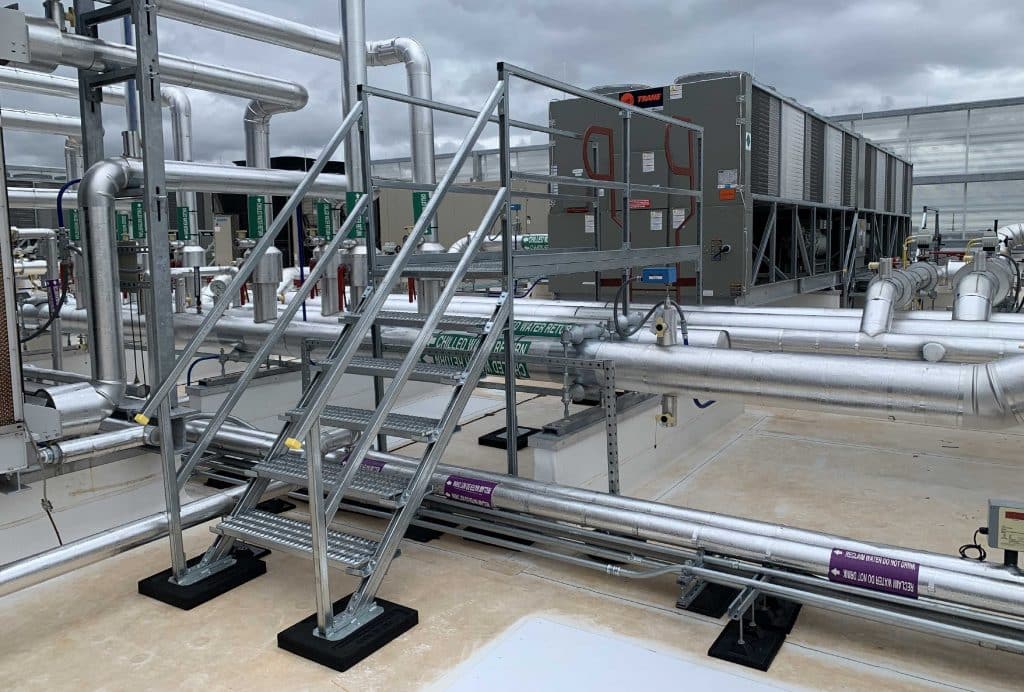
Rooftop Support Systems offers elevated metal grating walkway systems designed to address many of these concerns. Available in galvanized steel, aluminum, and other material and finish options, these systems provide an open grating surface that allows rain, snow, and debris to pass through instead of collecting on the walking surface. Because the walkway is elevated above the roof membrane using support assemblies, water is free to drain naturally beneath the structure, reducing the potential for standing water or trapped moisture. The serrated grating surface provides excellent slip resistance in wet, snowy, and debris-prone environments, making it well suited for year-round rooftop access. Elevated walkway sections can also span pipes, conduits, and other rooftop obstacles that would otherwise interrupt travel paths. Optional handrails can be installed on one or both sides to provide additional fall protection and visual guidance around elevated equipment areas. Unlike black rubber pads that absorb solar heat, aluminum and galvanized steel grating surfaces remain cooler under direct sunlight and provide a more durable solution for commercial and industrial rooftops with demanding maintenance requirements.
How Rooftop Walkway Systems Improve Worker Safety and Productivity
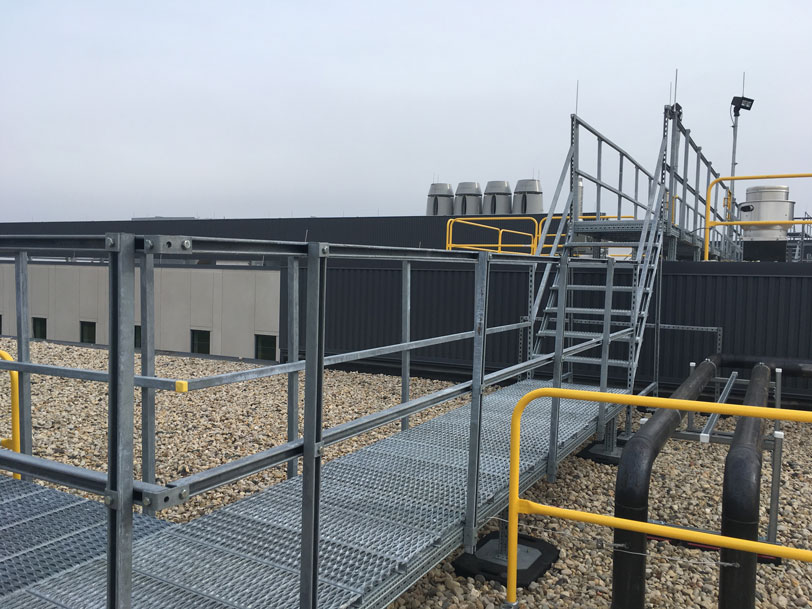
A designated rooftop walkway provides workers with a predictable route for accessing equipment and performing maintenance activities. Consistent walking surfaces help reduce exposure to uneven roof conditions, loose debris, standing water, and other obstacles that can interfere with movement across the roof. Defined pathways are particularly valuable when workers must travel between multiple service locations during inspections or routine maintenance. By concentrating pedestrian traffic on specific routes, rooftop walkway systems help create a more organized work environment. Workers spend less time determining where to walk and more time focusing on the task at hand. This can contribute to more efficient service operations and improved workflow management.
Summer conditions often increase physical demands on maintenance personnel due to elevated temperatures and extended exposure to sunlight. A clearly established walkway system reduces unnecessary movement across the roof and provides a more direct route between equipment locations. Technicians can transport tools and replacement components with greater confidence when using a stable walking surface. Reduced concern about footing and navigation allows maintenance personnel to concentrate on equipment diagnostics, repairs, and inspections. Facilities that experience frequent rooftop activity may benefit from the operational consistency that designated pathways provide. Over time, organized access routes can support more efficient maintenance planning and execution.
Rooftop Walkways and Their Role in Maintaining Roof Integrity
Commercial roofing systems are designed to withstand environmental exposure, but repeated foot traffic can accelerate wear in frequently accessed areas. Maintenance personnel often follow the same routes when traveling between roof hatches, ladders, HVAC equipment, and other rooftop assets. Without designated pathways, this concentrated traffic can contribute to membrane abrasion, surface deterioration, and localized damage over time. Rooftop walkway systems help protect these high-traffic areas by creating a dedicated surface for pedestrian movement. This separation reduces direct contact between footwear and the roofing membrane. As a result, facility managers can better preserve the condition of the roof in areas that receive regular maintenance activity.
Walkway systems also help distribute loads across a larger surface area, reducing concentrated pressure on specific portions of the roofing assembly. This can be particularly beneficial around mechanical equipment where service personnel frequently stand, kneel, or place tools during maintenance procedures. Protecting vulnerable sections of the roof may help reduce repair frequency and extend the service life of roofing materials. Walkways can also support inspection programs by clearly identifying approved travel routes for contractors and maintenance teams. By directing movement away from sensitive areas, these systems help building owners maintain roofing investments while supporting routine facility operations. The result is a more controlled approach to rooftop access and roof preservation.
Why Building Owners Should Invest in Rooftop Walkways

Building owners often invest significant resources in commercial roofing systems and rooftop mechanical equipment. Protecting these assets requires planning for both maintenance access and long-term roof performance. Rooftop walkway systems provide a practical solution that supports both objectives. These systems can be installed on a wide range of roofing assemblies, including single-ply membrane roofs, built-up roofing systems, modified bitumen roofs, standing seam metal roofs, and other commercial roof types. Their adaptability allows facility managers to create safe access routes regardless of roof configuration or equipment layout. This flexibility makes walkway systems suitable for facilities ranging from office buildings and schools to manufacturing plants and healthcare campuses.
Many rooftop support and walkway configurations can also integrate with equipment support systems used for HVAC units, piping, conduit, cable trays, and ductwork. As rooftop infrastructure becomes more complex, organized access routes become increasingly important for maintenance planning. Walkways can help reduce accidental damage to roofing materials while supporting efficient movement between service locations. For facilities that experience frequent rooftop activity, the long-term value extends beyond worker access alone. Reduced roof wear, improved maintenance organization, and better protection of rooftop assets can contribute to lower lifecycle costs over time. Investing in rooftop walkway systems allows building owners to create a more structured and maintainable rooftop environment that supports ongoing facility operations.
Summer conditions place additional demands on both rooftop workers and roofing systems. High temperatures, moisture, and increased maintenance activity can create challenges that require thoughtful planning and reliable access solutions. Rooftop walkway systems address these concerns by providing designated pathways that support worker movement while protecting roofing materials from concentrated foot traffic. Their ability to improve access, preserve roof integrity, and support maintenance operations makes them a valuable addition to many commercial facilities. Building owners and facility managers evaluating rooftop safety improvements should consider how walkway systems fit into their broader maintenance and asset protection strategies. Working with experienced rooftop support specialists can help ensure the selected system aligns with the building’s layout, equipment requirements, and long-term operational goals.