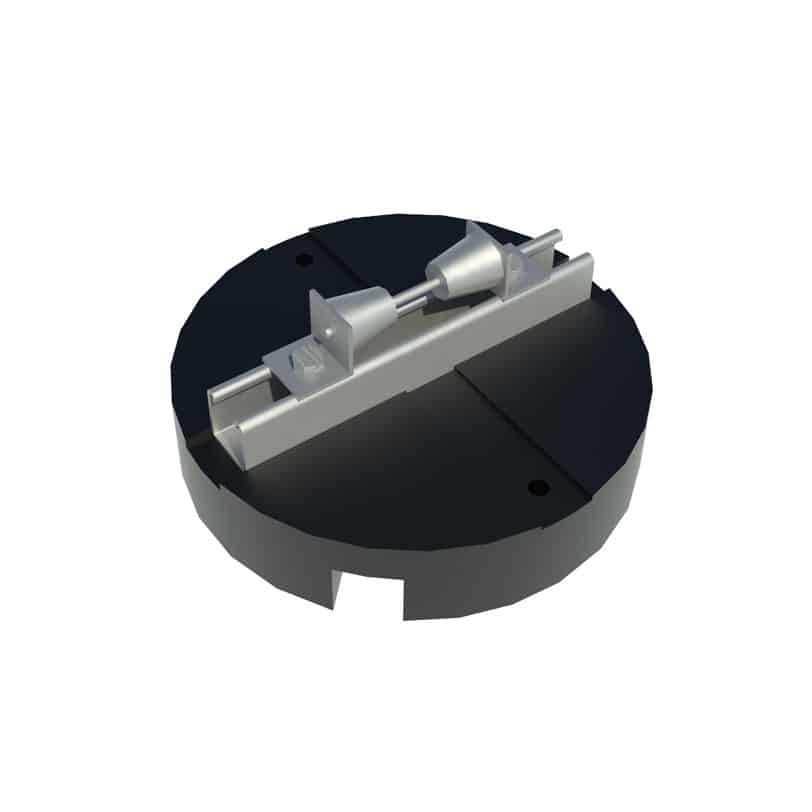
Roof pipe supports hold gas, water, refrigeration, and other mechanical piping above commercial roof surfaces. Rooftop Support Systems (RTS) offers rubber support blocks, pipe rollers, and H-stands for single pipes and multiple lines. Non-penetrat...Read More
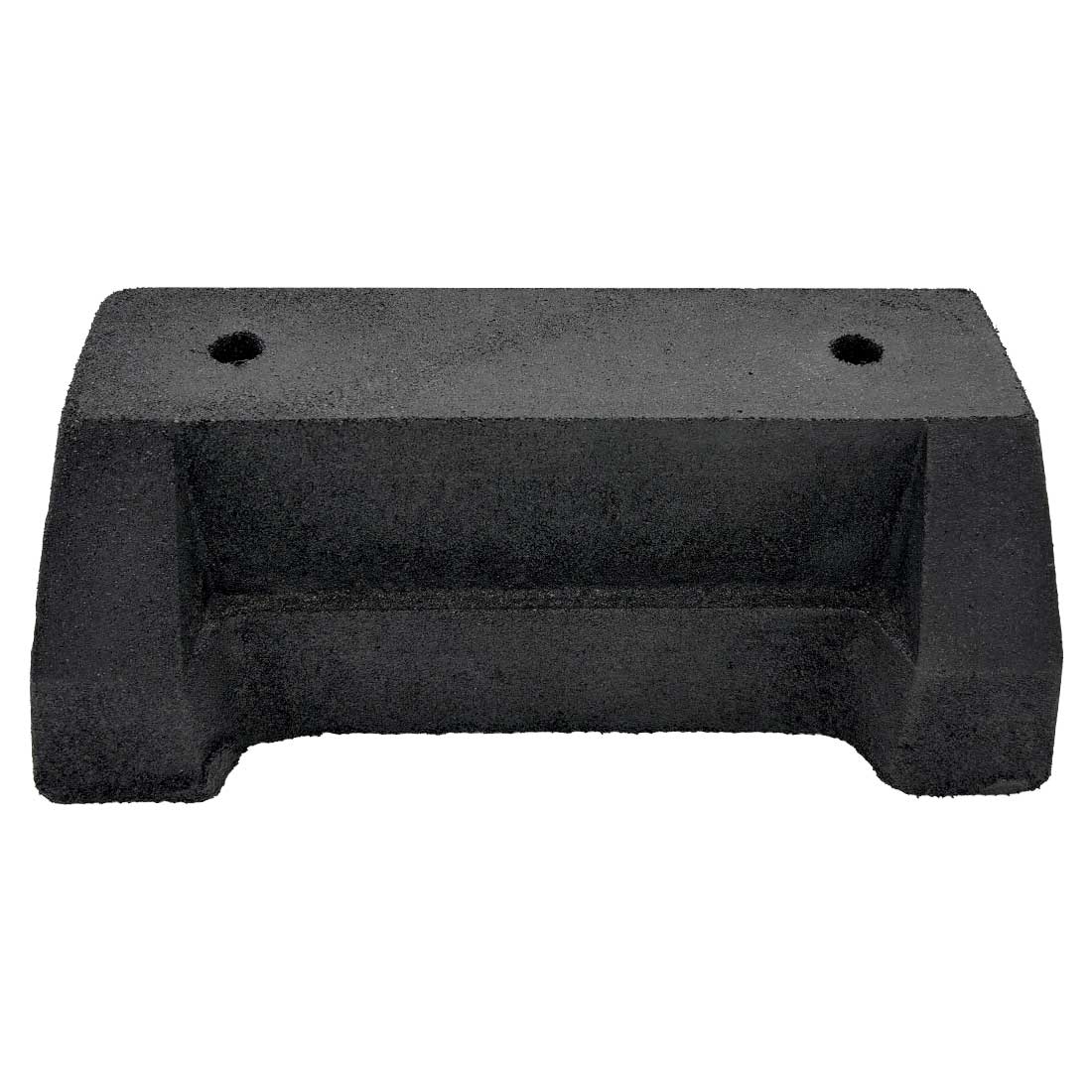
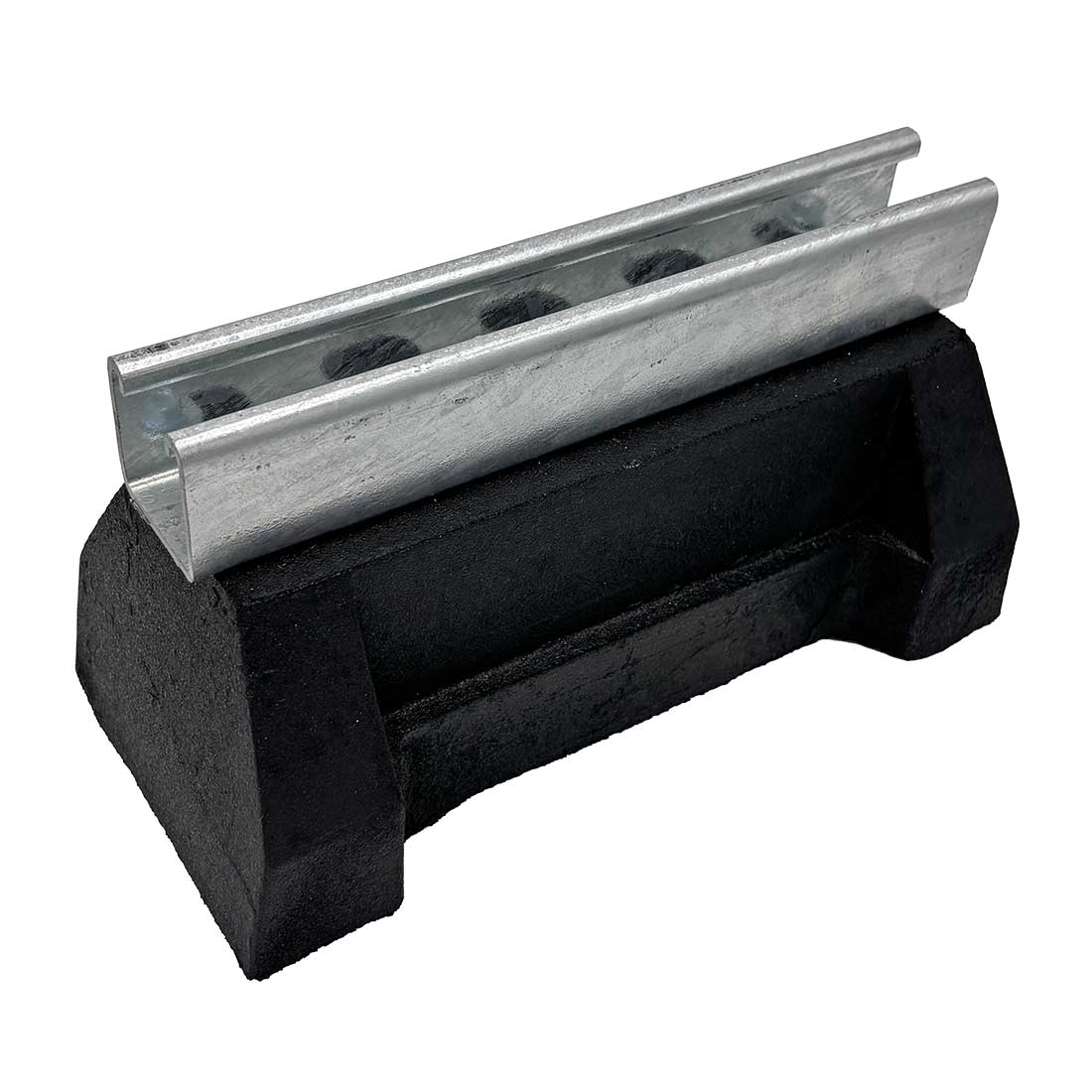
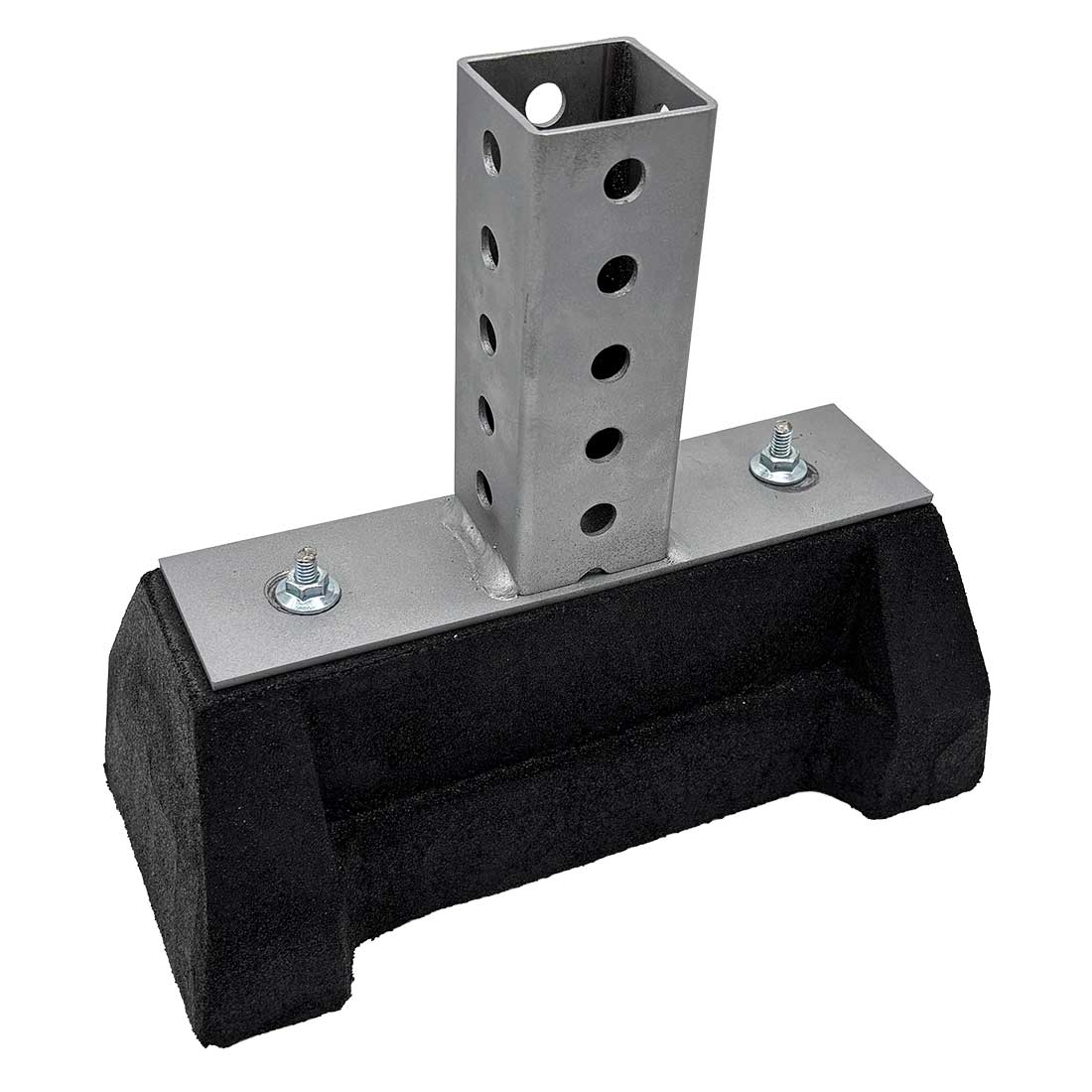
Roof pipe supports hold gas, water, refrigeration, and other mechanical piping above commercial roof surfaces. Rooftop Support Systems (RTS) offers rubber support blocks, pipe rollers, and H-stands for single pipes and multiple lines. Non-penetrating options rest on rubber bases without drilling through the roof membrane. Direct-mount stands are also available for projects that call for structural attachment.
When selecting roof stands for pipe runs, start with the pipe diameter, operating weight, insulation thickness, and clearance above the roof. Also check whether the pipe needs to move as it expands and contracts. These details help determine the support style and the hardware that connects the pipe to the stand.
- Rubber support blocks suit runs close to the roof. Elevated blocks offer additional clearance where the pipe needs to pass above standing water, snow, or obstructions. See MULE elevated rooftop pipe support blocks.
- Pipe roller supports carry the pipe while allowing it to move lengthwise as temperatures change. See our pipe roller accessories.
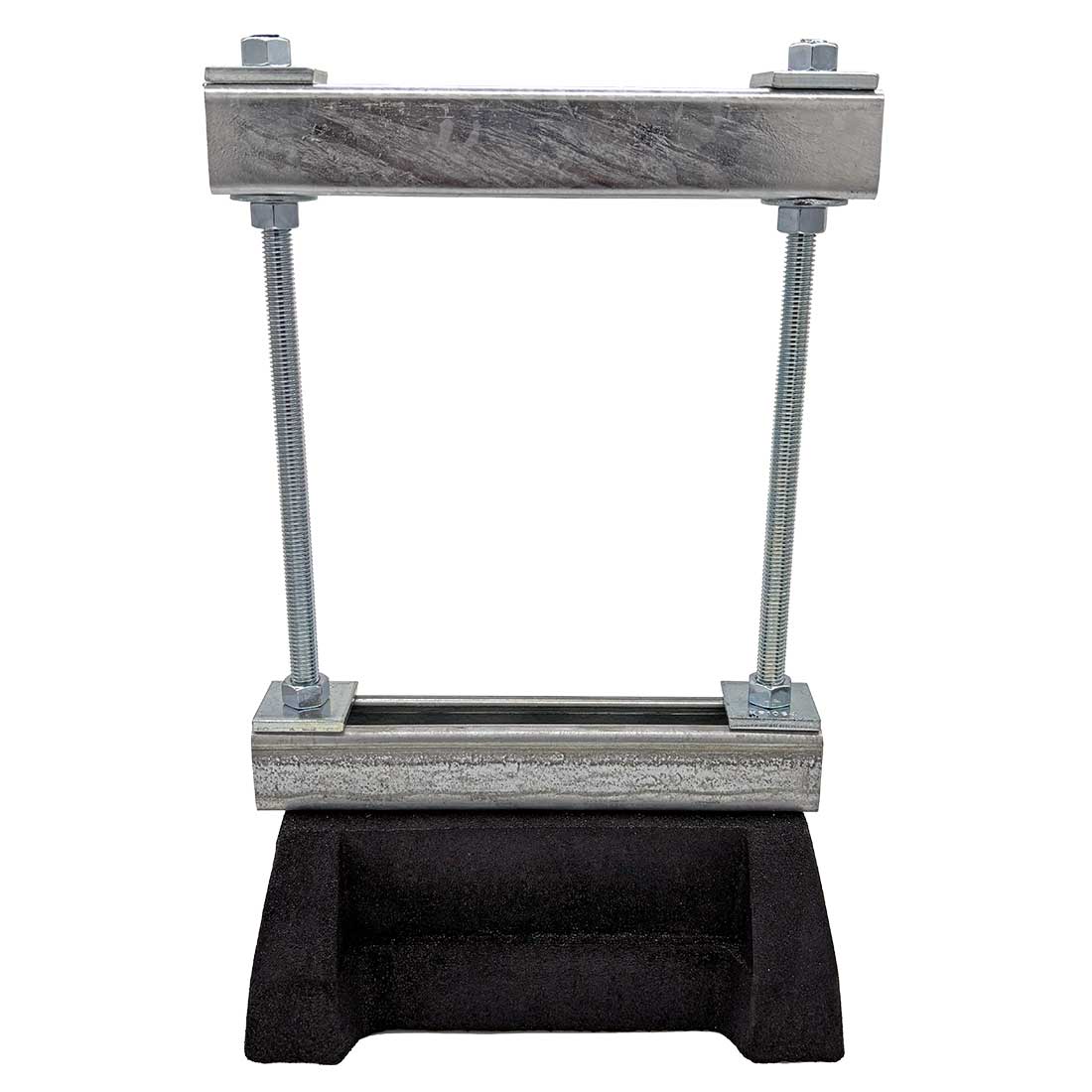
- H-stands use a cross brace between two uprights to support elevated piping. The lineup includes single, double, and heavy-duty configurations, with rubber base and direct-mount options. See RTS support drawings.
The stand and the roof each have load limits. Check the selected model’s loading data and the pressure its bases will put on the roof. See the RTS rooftop support specifications.
Frequently Asked Questions
Can roof pipe stands be installed without penetrating the roof?
Yes. RTS offers support blocks, roller supports, and H-stands with rubber bases that rest on the roof surface. Confirm the roof slope, membrane requirements, and allowable loading before selecting a non-penetrating model.
When should I use a pipe roller instead of a pipe clamp?
Use a roller where the piping design calls for lengthwise movement from thermal expansion and contraction. Use a clamp where the design calls for restraining the pipe at that support point. Confirm the intended movement or restraint in the piping drawings before choosing the hardware.
How far apart should roof pipe supports be spaced?
Set spacing using the piping specifications and applicable code, then check the selected support’s load limits and the roof’s allowable bearing pressure. Include the weight of the pipe contents and insulation when calculating the load at each support.
What information does RTS need to quote rooftop pipe supports?
Send a roof plan or piping layout with the number of lines, pipe diameters, insulation thickness, operating weights, and required clearance. Flag any locations that need rollers, anchors, or wind and seismic restraint. Attach the drawings when you request a quote.
Read Less